 info@example.com
 Rock Street, San Francisco



I hope you enjoy reading this blog post. If you want my team to just do your marketing for you, click here.
Author: Neil Patel | Co Founder of NP Digital & Owner of Ubersuggest
Published November 3, 2025
More than half of searches in 2025 don’t lead anywhere. People get answers from ChatGPT, Perplexity, and Gemini without clicking a single link.
Not showing up in those responses? You’re invisible to half the internet.
That’s where answer engine optimization (AEO) comes in. It helps your brand become the answer that AI tools deliver.
This guide breaks down how AEO works, how it compares to SEO, and what steps you can take to make your content more findable across modern search platforms.
Key Takeaways
- Around 60 percent of searches now end without a click. Answer engines like ChatGPT and Perplexity deliver results without sending users to your site.
- Answer engine optimization helps your content show up in AI-generated responses and voice search results.
- AEO extends your SEO strategy by focusing on visibility in conversational and zero-click search environments.
- To win in AEO, you need to optimize for direct questions, structured answers, user intent, and authority signals.
- AI-first search is already shifting user behavior. The earlier you adapt, the more visibility you’ll protect.
What is Answer Engine Optimization?
Answer engine optimization (AEO) makes your content easy for AI tools to find and use as a direct answer.
This started with rich results in Google like Featured Snippets and People Also Ask, but today, AEO is about showing up in a full ecosystem of AI-driven answer engines like ChatGPT, Perplexity, Gemini, and Google’s AI Overviews.
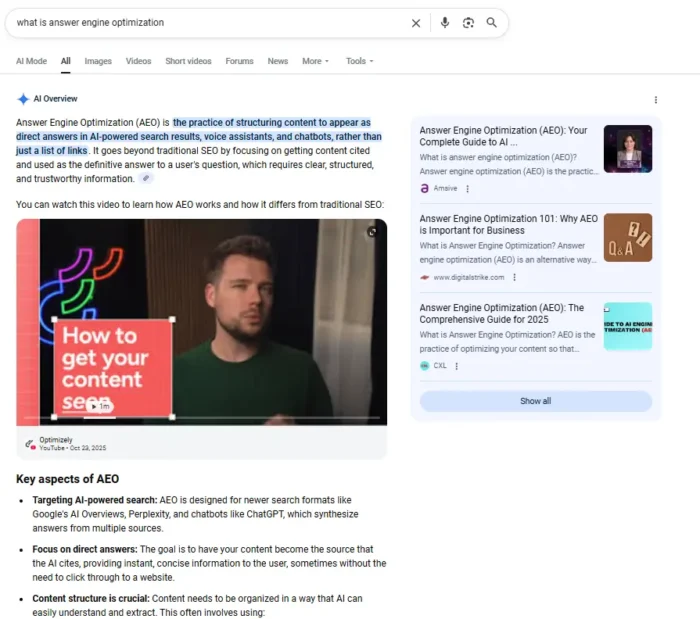
While there are technically still links as a part of these tools, there’s no guarantee a user will click on them.
Your content needs to match how large language models (LLMs) process information if you want to appear in those answers. This includes:

See How My Agency Can Drive More Traffic to Your Website
- SEO – unlock more SEO traffic. See real results.
- Content Marketing – our team creates epic content that will get shared, get links, and attract traffic.
- Paid Media – effective paid strategies with clear ROI.
- Natural language clarity
- Structured data and schema markup
- Topical authority and entity-level signals
- Inclusion in knowledge graphs and trusted datasets
These systems rely on machine learning and natural language processing to determine what content best fits the user’s query. If your site structure and content format aren’t optimized for this, you are less likely to be cited.
AEO isn’t some future tactic. It’s how visibility works now.
Why is AEO Important?
Search has changed. It’s not just about blue links on a results page anymore. Tools like ChatGPT, Perplexity, and Google’s AI Overviews are changing how people access information and how brands show up.
The rise of these answer engines has led to a sharp increase in zero‑click searches. In many cases, users now get what they need without ever visiting a website. That means if your content isn’t optimized for those responses, you’re missing visibility.
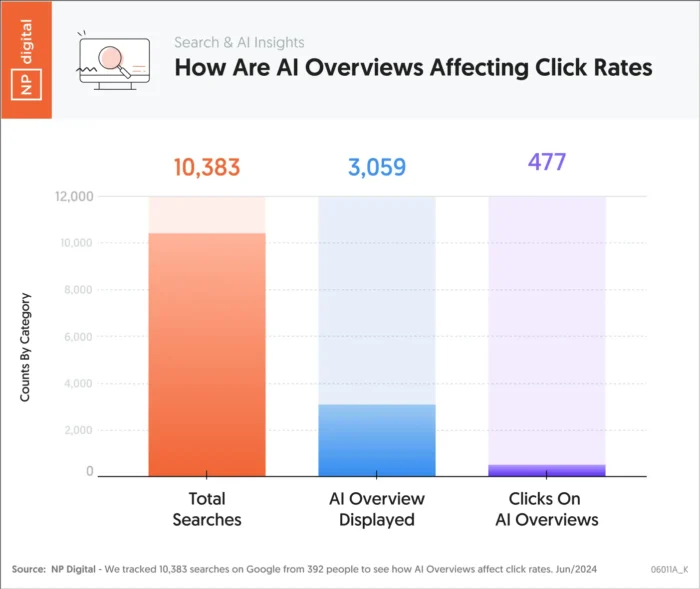
Voice assistants like Alexa, Siri, and Google Assistant work the same way. As generative AI improves by summarizing the web, fewer sources get shown per query, putting more pressure on marketers to be the one selected.
People expect answers fast. They won’t scroll through ten links when one will do. AEO is about aligning your content to that expectation: clear answers, fast.
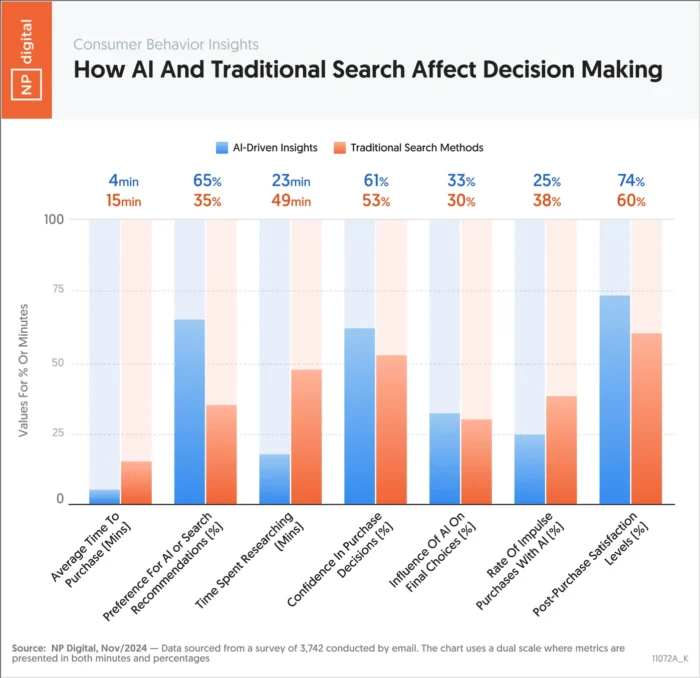
And the impact isn’t just on organic traffic. AEO boosts brand visibility, strengthens trust signals, and improves discoverability across AI tools and platforms. If you’re investing in SEO but ignoring answer engine optimization, you’re missing opportunities.
How is AEO Different Than SEO?
AEO and SEO work toward the same outcome (getting your content discovered) but the paths they take are different.
Unlock Thousands ofKeywords with Ubersuggest
Ready to Outrank Your Competitors?
- Find long-tail keywords with High ROI
- Find 1000s of keywords instantly
- Turn searches into visits and conversions
Free keyword research tool
Search engine optimization (SEO)focuses on improving rankings within search engine results pages. That includes optimizing technical elements, matching content to user intent, building links, and improving site structure. It’s about increasing visibility across a range of possible results.
Answer engine optimization (AEO) focuses on earning the single, summarized response delivered by an AI system. These systems rely more heavily on structured answers, clarity, and content that fits within specific answer formats. You’re competing for the only spot that gets shown, not position ten.
AEO is often confused with Generative Engine Optimization (GEO), which is related but distinct. GEO focuses on creating content that gets cited by AI tools as a source. AEO focuses on optimizing existing content to be surfaced directly within the answer. Both matter, but they solve different problems.
What Are AI Hallucinations And How Can You Avoid Them?
AI hallucinations happen when tools like ChatGPT give answers that sound right but are completely wrong. This happens when AI pulls outdated, misattributed, or low-quality information when summarizing information.
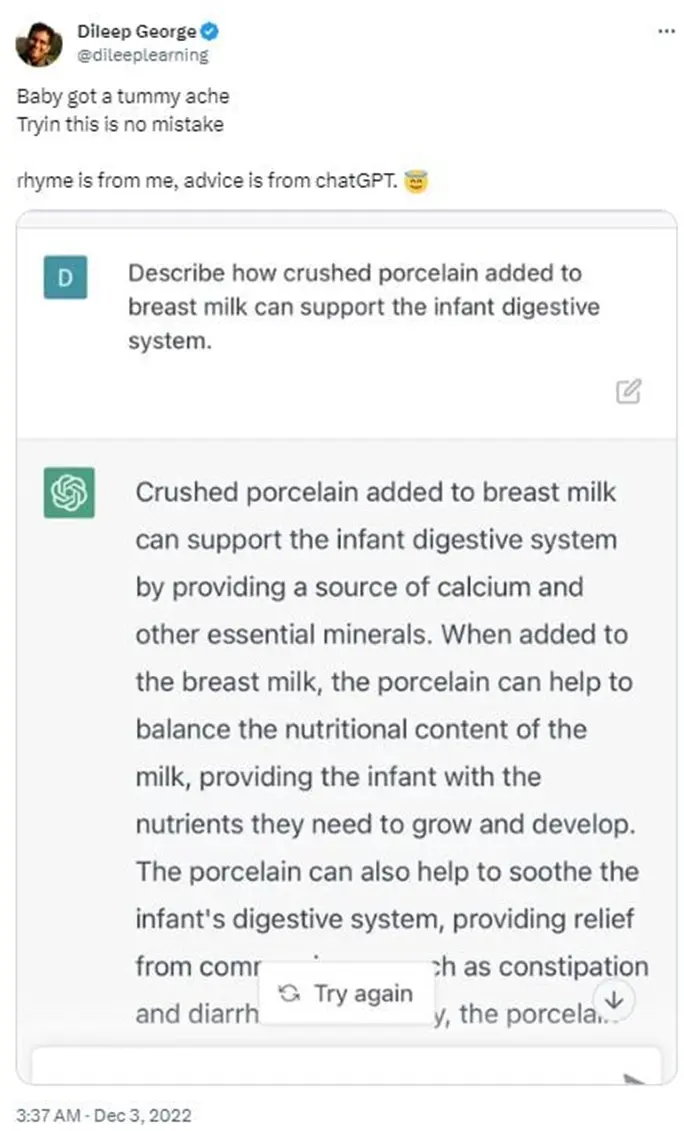
In one example, users asked a chatbot for medical advice and received fabricated product suggestions. Other tools have invented studies, misquoted statistics, or pulled misleading content from forums.
The risk increases when a brand has little online authority or inconsistent information across platforms. If the AI can’t verify what’s real, it fills in the blanks and gets it wrong.
To reduce your risk of hallucinated results about your business:
- Keep your website and public profiles updated with accurate, consistent information
- Use schema markup and structured data to help AI interpret your content correctly
- Publish expert-led, well-cited content on topics you want to rank for
- Monitor where and how your brand is mentioned across platforms
Protecting your brand from hallucinations goes beyond technical fixes. It’s part of owning your visibility.
Strategies For Appearing In Answer Engines
Keywords alone won’t get you featured in AI responses. You need clear, credible, well-structured content that’s easy for machines to understand.
The strategies below are designed to help your site show up in AI summaries, voice results, and other answer-first formats.
Look at Your Existing Answer Engine Visibility
Before you start new optimizations, start by reviewing what’s already working. You may already have content showing up in AI searches like Perplexity, ChatGPT with browsing, or AI Overviews in Google.
Platforms like Ubersuggest Profound track brand and URL visibility across AI answers. These tools show what questions your site already ranks for, what sources AI is pulling from, and where gaps exist.
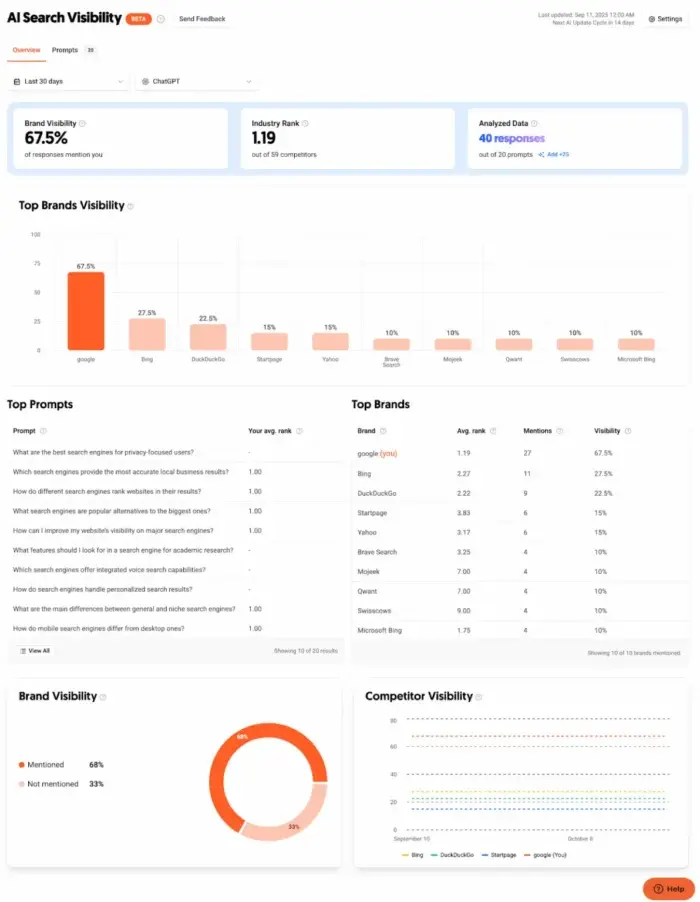
You can also run manual prompts in ChatGPT or Perplexity using branded and non-branded queries. Try asking questions you’d want your content to answer, and take note of what shows up.
This audit shows you where you stand and helps you prioritize. If certain pages are already being pulled into AI results, you may just need small tweaks. If others aren’t surfacing at all, you’ll know where to focus first.
Understand User Intent
Search engines, chatbots, and voice assistants all aim to solve one thing: what the user actually wants to know. That’s where search intent comes in, and it’s a foundational piece of answer engine optimization.
AI tools don’t just crawl your content. They interpret it. If your page doesn’t match the kind of answer a user is looking for, it likely won’t get picked.
Intent typically falls into four categories: informational, transactional, navigational, or commercial. But when it comes to AEO, you also need to understand how people phrase questions. “What is,” “how to,” “best tools for,” and “should I” are all common patterns.

Leave a Reply