 info@example.com
 Rock Street, San Francisco


🚀 SEO Trends 2025: The Future of Search Optimization You Can’t Ignore
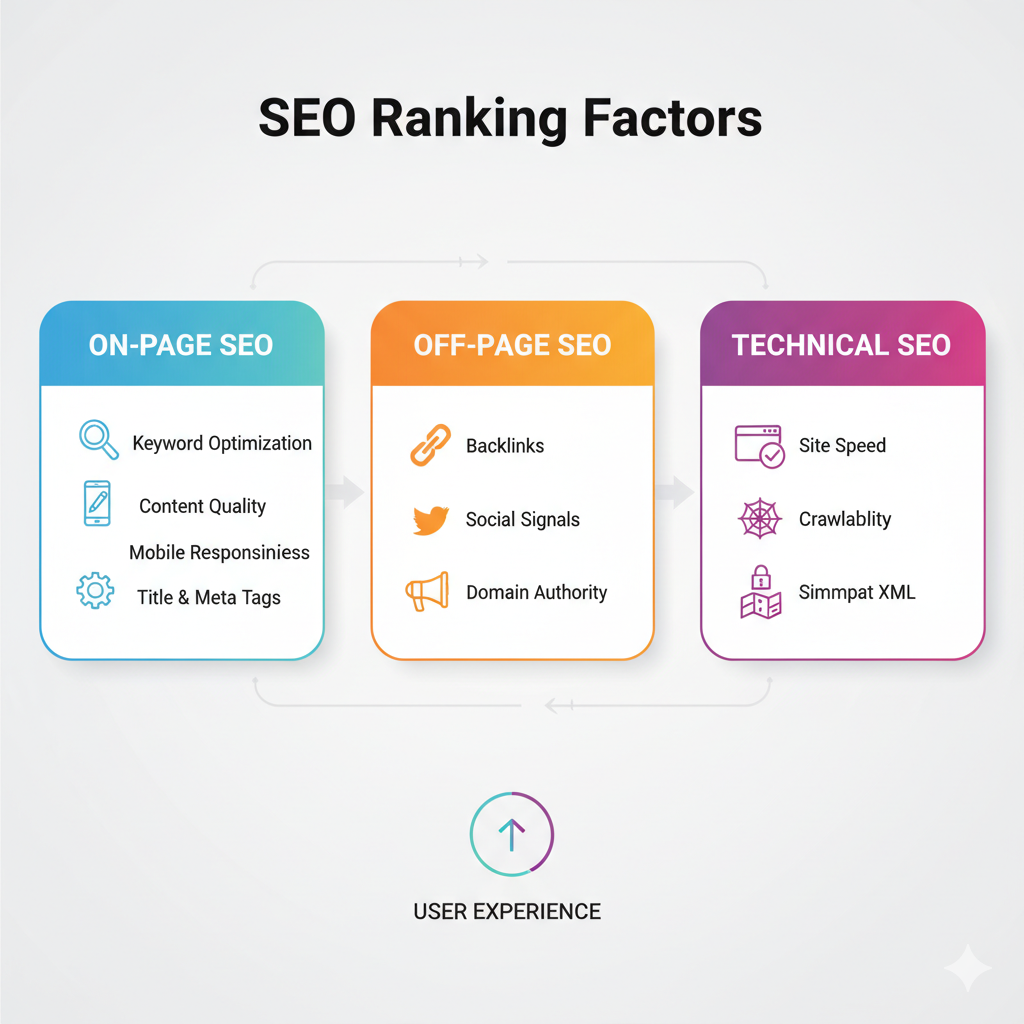
Introduction
The world of Search Engine Optimization (SEO) is evolving faster than ever. With Google’s AI-powered updates, voice search expansion, and user experience becoming the new ranking currency — 2025 marks a turning point for digital marketers.
If you want your business to stay visible, competitive, and profitable, you must adapt to the latest SEO trends 2025. This blog will walk you through the most influential SEO changes, actionable strategies, and expert predictions shaping the digital landscape in the coming year.
🔍 1. AI-Driven Search Optimization: Smarter SEO Than Ever
Artificial Intelligence (AI) is no longer the future — it’s the core of SEO in 2025. Google’s AI systems like Gemini and RankBrain are getting smarter at understanding user intent, context, and behavior.
💡 What It Means for You:
- Google now ranks pages that answer real user questions, not just those stuffed with keywords.
- AI tools like ChatGPT, Jasper, and SurferSEO can help create optimized content that aligns with user intent.
- Predictive SEO using AI can identify trending keywords before they peak.
✅ Actionable Tips:
- Use AI-assisted content tools for topic research and optimization.
- Focus on semantic keywords and conversational phrases.
- Write content that solves problems — not just describes them.
🗣️ 2. Voice Search & Conversational SEO Are Mainstrea
With the rise of smart speakers, mobile voice assistants, and in-car AI systems, voice search optimization is now essential. In 2025, more than 60% of online searches are expected to be voice-based.
🎯 What Changes:
Voice queries are longer, natural, and question-based. For example:
- Instead of typing “best laptop 2025,” users say “What’s the best laptop for graphic design in 2025?”
✅ Actionable Tips:
- Optimize for long-tail and conversational keywords.
- Create a FAQ section targeting voice-based queries.
- Use schema markup (structured data) to help Google understand and feature your answers.
📱 3. Mobile-First and Core Web Vitals Dominate Rankings
Google’s mobile-first indexing is now standard. In 2025, a slow, poorly designed mobile website can cost you both traffic and revenue.
🧭 What Google Prioritizes:
- Page speed and visual stability (no layout shifts).
- Mobile usability and easy navigation.
- Fast-loading images and compressed media.
✅ Actionable Tips:
- Use Google PageSpeed Insights to test your website’s performance.
- Compress images and enable lazy loading.
- Ensure fonts, buttons, and menus are mobile-friendly.
💬 Remember: “If your website doesn’t load within 3 seconds, 53% of users will leave.”
🧠 4. Search Intent Optimization Takes Center Stage
In 2025, search intent — understanding what the user really wants — is the foundation of SEO.
🔍 3 Main Types of Intent:
- Informational: Users want to learn something (e.g., “What are SEO trends 2025?”).
- Navigational: Users want to find a specific page (e.g., “Yoast SEO login”).
- Transactional: Users want to buy (e.g., “Buy SEO tools online”).
✅ Actionable Tips:
- Map keywords to the right content type (blogs, landing pages, product pages).
- Analyze the top 10 results in Google to understand what intent they fulfill.
- Use Google’s “People Also Ask” for additional question-based keywords.
🧩 5. EEAT (Experience, Expertise, Authoritativeness, Trustworthiness) Becomes Critical
Google’s EEAT framework is stronger than ever in 2025. The search engine now prioritizes content created by real experts who show hands-on experience and trust signals.
💡 What to Focus On:
- Experience: Share real examples, case studies, or testimonials.
- Expertise: Include author bios with credentials or professional background.
- Authority: Get backlinks from reputable websites.
- Trust: Use HTTPS, transparent contact details, and positive reviews.
✅ Actionable Tips:
- Add author schema markup to show credibility.
- Build topical authority by creating clusters of related content.
- Encourage user-generated reviews and testimonials.
🌐 6. Zero-Click Searches and Featured Snippets
In 2025, nearly 50% of all searches end without a click — because users find their answers directly on the Search Engine Results Page (SERP) through featured snippets, knowledge panels, or “People Also Ask” boxes.
✅ How to Optimize:
- Answer common questions in 50–60 words near the top of your article.
- Use structured data for FAQs and How-To guides.
- Optimize for position zero with concise, factual information.
Example:
If your blog answers: “What is a canonical tag?” — Google might display your definition directly in the featured snippet.
🔗 7. Backlinks Still Matter, But Quality Over Quantity
Backlinks remain a top ranking factor in 2025 — but spammy links are dead. Google’s AI can now detect unnatural patterns instantly.
✅ Focus on:
- Editorial backlinks from niche-relevant websites.
- Digital PR campaigns and collaborations.
- Guest posting on high-authority sites.
- Building internal links between related pages on your website.
Pro Tip: A single backlink from a trusted site like Forbes or HubSpot is worth more than 100 low-quality links.
🧬 8. Video SEO and Visual Search Are Exploding
With platforms like YouTube, TikTok, and Instagram Reels dominating attention, Google is indexing video content faster than ever. Visual search (via Google Lens) is also changing how users find products.
✅ Actionable Tips:
- Add video schema markup to your site.
- Optimize video titles, descriptions, and captions with keywords.
- Create short educational videos for blog embeds.
- Use alt text and high-quality images for visual search visibility.
🔐 9. Privacy, Data Protection & Search Personalization
Privacy regulations like GDPR and cookie restrictions are pushing SEO toward more first-party data collection. Meanwhile, Google personalizes results based on user behavior, location, and preferences.
✅ What You Can Do:
- Collect first-party data through sign-ups and surveys.
- Use Google Search Console and Analytics 4 to track real user data.
- Personalize website experiences using behavioral insights.
🧭 10. Local SEO and “Near Me” Searches Are More Powerful
In 2025, local SEO continues to thrive as mobile users depend on location-based results. Businesses that optimize for local intent are winning the competition.
✅ Actionable Tips:
- Keep your Google Business Profile (Google My Business) updated.
- Use local schema markup (address, phone, business hours).
- Encourage customers to leave Google reviews.
- Include city or region-based keywords in your website content.
Example: Instead of “best gym,” optimize for “best gym in Kochi.”
⚙️ 11. Schema Markup & Structured Data for Rich Results
In 2025, schema markup is not optional. It helps search engines better understand your content and display rich snippets — boosting your CTR (Click-Through Rate).
✅ Use Schema Types Like:
- Article Schema
- Product Schema
- FAQ Schema
- Review Schema
- Event Schema
You can add schema using plugins like Rank Math, Yoast SEO, or Google’s Structured Data Markup Helper.
🎯 Conclusion: Adapting to SEO Trends 2025
The SEO trends of 2025 are clear — success depends on your ability to blend technology with authenticity. AI will guide your strategies, but human expertise, trust, and valuable content will determine your success.
To stay ahead in the digital race:
- Embrace AI and voice search optimization.
- Focus on EEAT and user experience.
- Optimize for mobile, speed, and local intent.
- Build authority through quality content and backlinks.
Remember, SEO isn’t about tricking algorithms — it’s about understanding people and delivering value at every click. The future belongs to brands that evolve, adapt, and stay curious.

Leave a Reply